Escheat Act Modernization Project
Escheat means land reverts to the Crown when it appears to have no owner.
It is based on a presumption that all land ultimately belongs to the Crown. This project proposes changes to how underlying interests are managed when personal ownership ends. It proposes ways to modernize the law and to align it with rights affirmed in UNDRIP.
About the Consultation
Our public consultation paper is now available and we want to hear from you. Let us know what you think about the proposed changes.
Access the consultation paper here.
Feedback can be submitted through our online survey: https://www.surveymonkey.com/r/EAMP
Or by email: [email protected]
Feedback must be received by 2 October 2026.
Over the consultation period, BCLI will be facilitating some engagement sessions on the paper. To learn more about these opportunities, send us an email.
Overview
British Columbia Law Institute’s project on the BC Escheat Act is exploring pathways for modernizing and aligning this area of law with the United Nations Declaration on the Rights of Indigenous Peoples (UN Declaration).
The legal principle of escheat developed within the feudal system in England and was introduced in BC as part of colonization. Within this area of law, land is not considered to be owned outright. Rather it is held of the Crown. As a result, if property has no owner because the previous owner dies without a will or heir or because a corporate owner dissolves, the property reverts to the Crown (escheats).
This legal principle continues to be a part of BC law and it represents one of the ways in which BC law is based on the notion that the Crown holds underlying title in land. Approximately 95% of the land in BC is not subject to historic or modern treaties, or other government-to-government agreements related to the exercise of inherent rights by Indigenous Peoples. Provincial legislation provides for property to escheat to the Attorney General of BC as the Crown in the right of the Province.
BCLI is working with a project committee of subject matter experts to identify ways in which lapses in ownership of property could be remedied in a manner consistent with Indigenous rights and title.
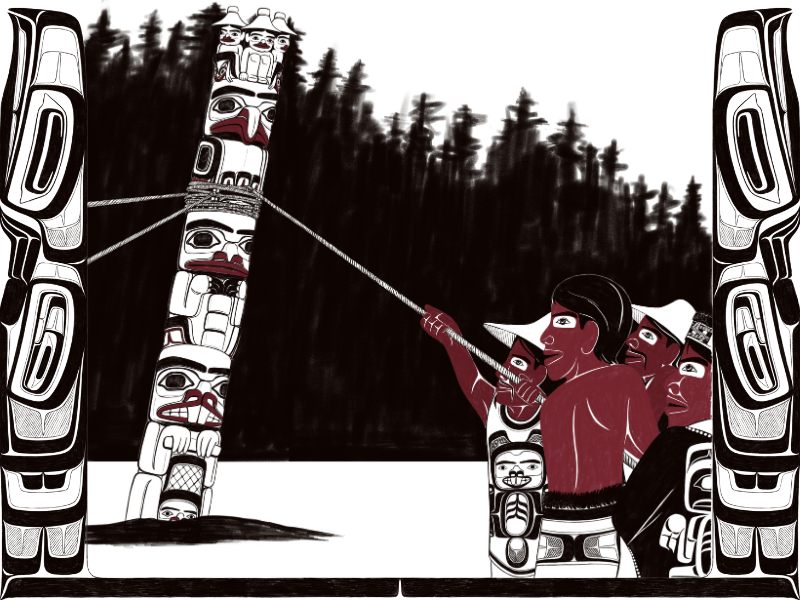
This artwork explores the exercise of decision-making in relation to land use and the maintaining of relationships with land through the raising of a totem pole—a practice carried out since time immemorial. Representing ancestry, history, and identity, the raising of the totem pole marks the beginning of land use.
The scene highlights community collaboration, as people work together to raise the pole. Framing the artwork is Nang Kilslaas, the Raven, a central figure in many stories and depictions, guiding and watching over the moment.
SGidGang.Xaal / Shoshannah Greene, a Haida artist from Cumshewa Village, studied Media Arts at Emily Carr University. She now creates traditional and digital art, blending Haida formline and cultural stories with a contemporary perspective.
Stage of the Project
The public consultation is now open. BCLI has worked with a committee of subject matter experts on draft recommendations for reforming this area of law. We are now inviting feedback on the draft recommendations.
If you want to submit feedback on the draft recommendations for consideration as we prepare our final report, we must receive your input by 2 October 2026.
What issues are being considered?
Some of the issues explored in this project include:
- The role of the province when personal property interests lapse;
- Clarification of the rights and interests of individuals and corporations with a claim to property;
- Legislative mechanisms for enabling the exercise of rights by First Nations whose inherent rights may be impacted by the creation of a new ownership interest in property; and
- Legislative mechanisms for enabling the return of property, or other forms of redress, to First Nations whose rights may be impacted.
This work will result in a recommendations report for reforming this area of law.
Learn more / Get involved
If you are interested in learning more about this project, please contact Megan Vis-Dunbar at [email protected].
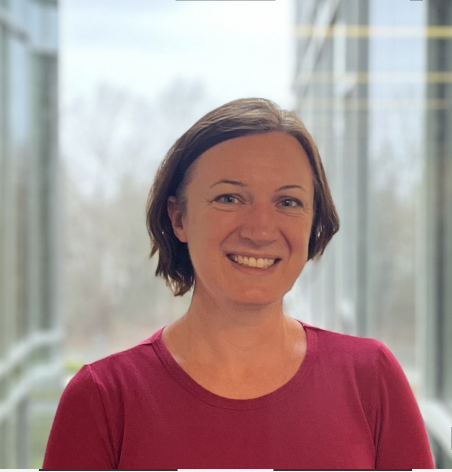
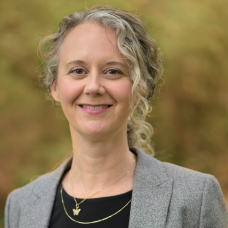
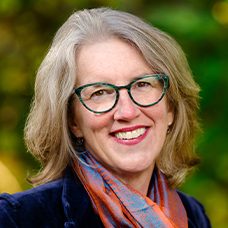
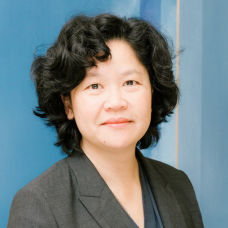
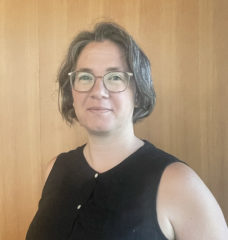
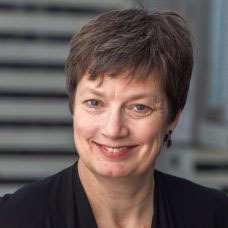
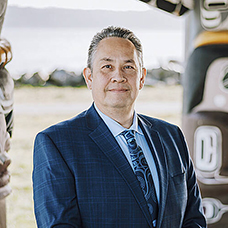
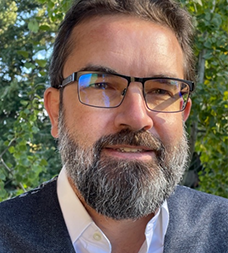
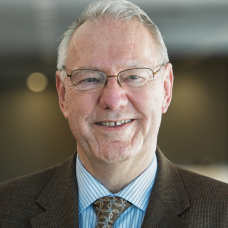
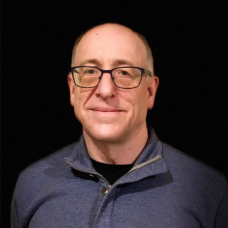
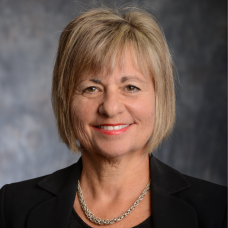
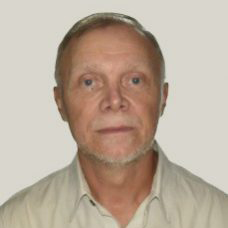
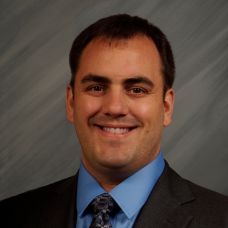
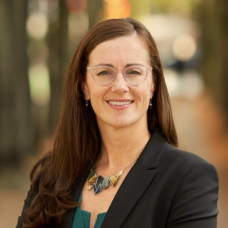
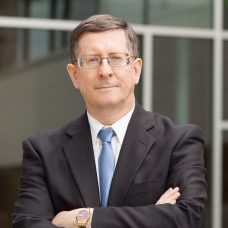
Escheat Act Modernization Project Committee
The Escheat Act Modernization Project is being carried out with the assistance of an expert project committee.