
BCLI’s Reconciling Crown Legal Frameworks program explores ways Crown legal frameworks need to adapt to strengthen relationships between Crown and Indigenous laws and areas of jurisdiction.
Qeluc’ (To Spin) / Bodies of Knowledge, 2023
READ ABOUT THE STORY BEHIND THIS SPINDLEWHORL
Primers
The United Nations Declaration on the Rights of Indigenous Peoples (UNDRIP) provides a framework for reconciling the assertion of Crown sovereignty with the pre-existing sovereignty of Indigenous Peoples. These primers explore UNDRIP in the BC context and approaches to legal pluralism to strengthen relationships between co-existing Crown and Indigenous legal orders.
Introduction

The BCLI established the Reconciling Crown Legal Frameworks Program (RCLF Program) to support the alignment of BC’s Crown legal framework with Indigenous laws. Reconciliation of laws to align with international standards of Indigenous rights and to strengthen relationships across distinct legal orders presents new legal issues and research opportunities. Innovative law reform and education is required to enable the Crown legal system to align with Indigenous legal frameworks. The BCLI is exploring approaches to supporting legal pluralism, building on our deep understanding of Crown law and comparative legal frameworks. Our emphasis is on developing ways that the Crown legal system needs to adjust to support implementation of the BC Declaration Act on the Rights of Indigenous Peoples Act, while also ensuring that this work supports reconciliation and access to justice for Indigenous peoples in BC.
Weaving new approaches
The legal landscape in Canada will need to adapt to weave in different legal orders, different bodies of knowledge, and different ways of thinking about law. The work the BCLI is undertaking through this program is one strand in the creation of a new legal landscape. For the BCLI, the artwork of Eliot White-Hill reflects the potential for something new arising out of many strands woven together. We welcome hearing from you about this program and this work.
We encourage you to get in touch with Karen Campbell at [email protected] or Megan Vis-Dunbar at [email protected].
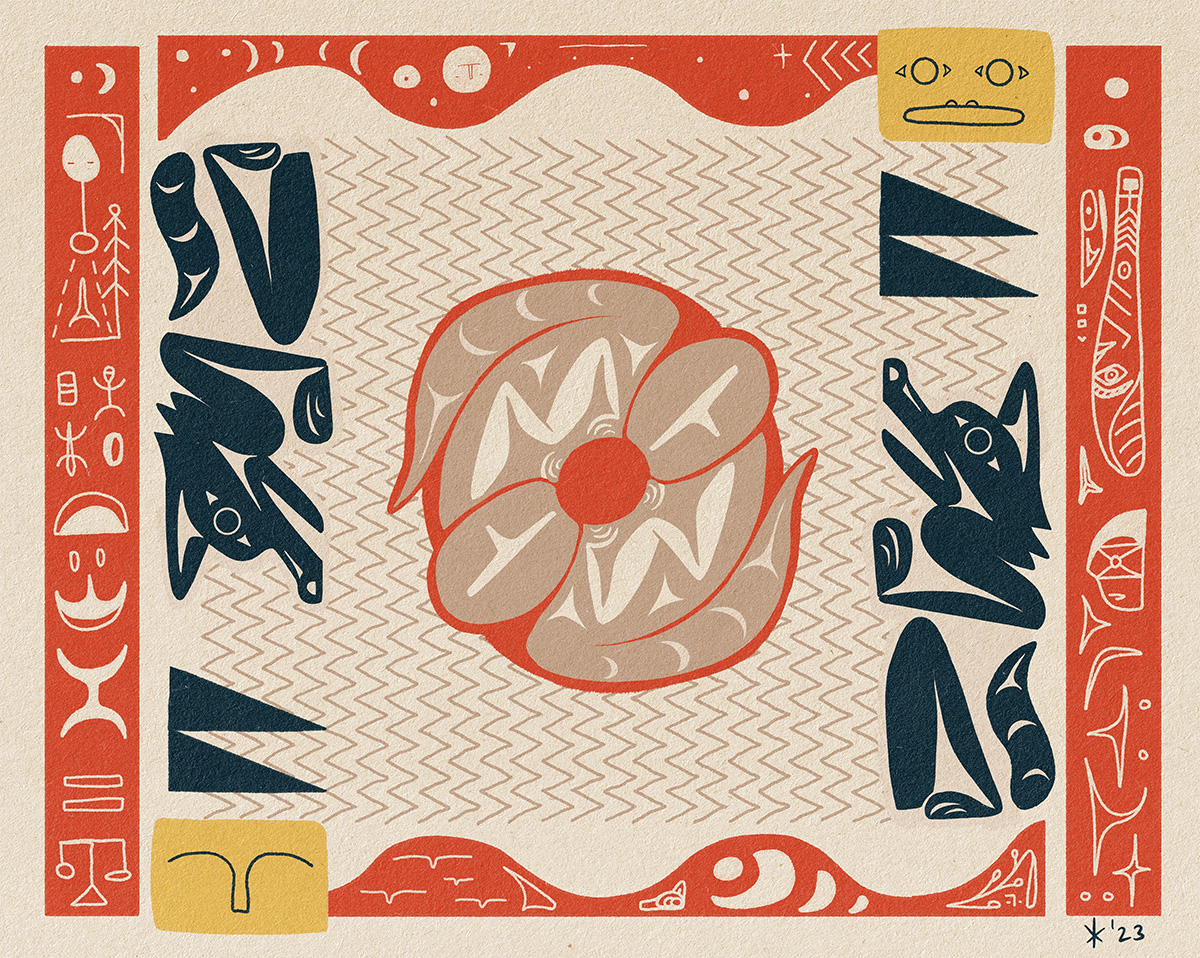
‘Qa’ToBeTogether / Interwoven Landscape, 2023
READ ABOUT THE STORY BEHIND THIS LANDSCAPE
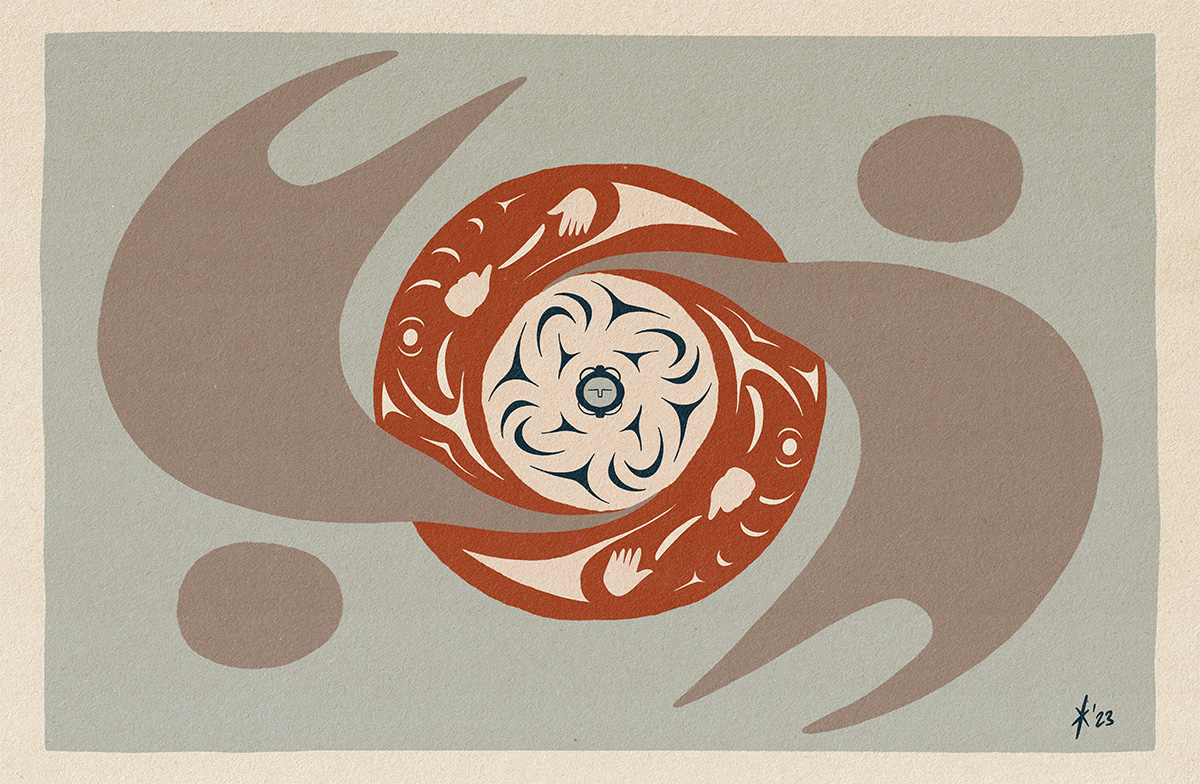
Qeluc’ (To Spin) / Bodies of Knowledge, 2023
READ ABOUT THE STORY BEHIND THIS SPINDLEWHORL
RCLF Projects
- Navigating Shared Waters: Study Paper on Indigenous-Led Conflict Resolution
- Escheat Act Modernization Project
- Honour of the Crown Project
- Indigenous Data Sovereignty: Primers
Additional Resources
- The Rule of Law Within a Legally Plural Society
- A Weighty Source: UNDRIP as International Law
- Legislating Support for Self-Determination and FPIC: Lessons from Colombia
- Additional reading and resources for primers
Other Publications
- Advocate, July 2025 Edition: News from the BCLI
- Advocate, July 2022 Edition: News from the BCLI
- Bartalk, January 2026 Edition: Adjudication in Many Forms: Legal Pluralism in Practice
- Bartalk, December 2023 Edition: Legal Pluralism and the Evolution of Laws in BC